
What if you have signed an off-plan contract eight months ago for a three-bedroom apartment in Lagos. You paid your 30% initial deposit on time and have been making your structured monthly installments without missing a beat.
Then, one morning, an email lands in your inbox from the developer:
“Due to unprecedented economic conditions, currency fluctuations, and skyrocketing cement and steel rebar prices, we are forced to apply a 25% price adjustment across all units. Please see the updated payment schedule attached.”
Just like that, your ₦80 Million investment is suddenly ₦100 Million. If you refuse to pay the extra ₦20 Million, the developer can hint that your unit could be canceled, re-allocated, or delayed indefinitely.
You might want to ask: Is this even legal? Can a developer randomly change the agreed price of your property while construction is underway?
In a volatile macroeconomic environment, price variation is one of the most debatable issues in Nigerian real estate, and here is a breakdown of how escalation clauses work, what Nigerian contract law actually says, and how to lock in an ironclad, fixed-price agreement before paying your initial deposit.
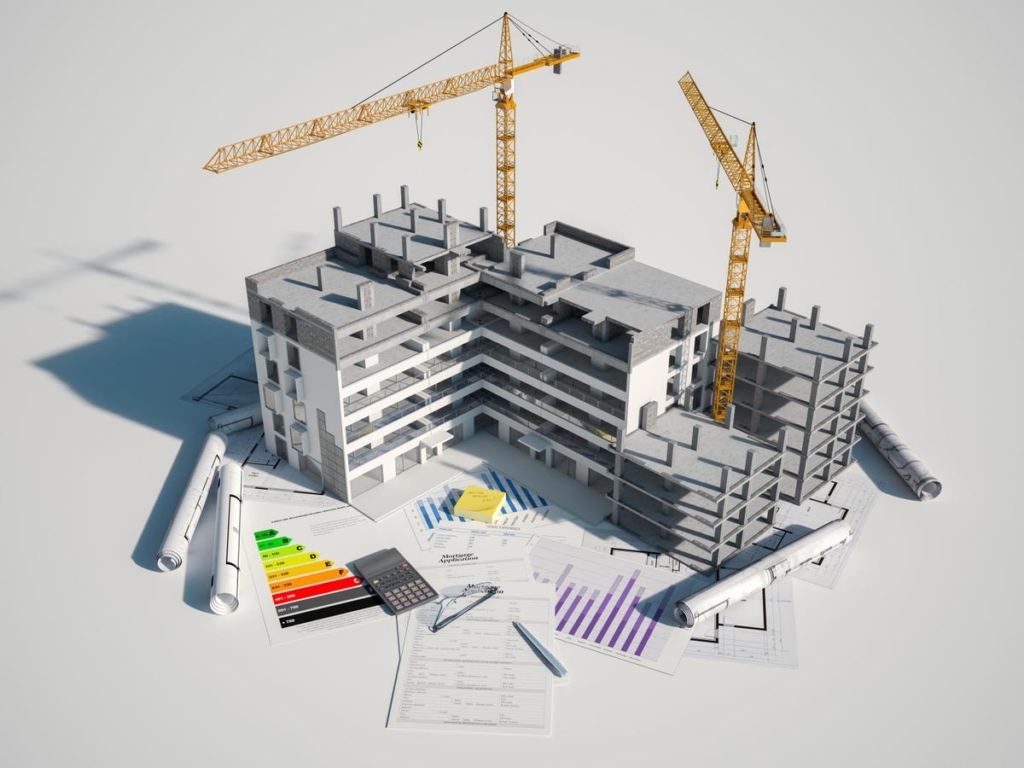
What Is an Escalation Clause?
An escalation clause (sometimes called a price variation clause or cost adjustment clause) is a term inserted into a real estate Contract of Sale. It grants the developer the legal right to increase the final purchase price of an off-plan unit if construction costs such as building materials, labor, or logistics rise significantly during the build process. Developers include these clauses to protect their profit margins against inflation. Building a multi-story residential tower takes anywhere from 12 to 24 months. If the price of reinforcement steel or diesel doubles mid-project, an under-capitalized developer who did not hedge their material costs faces a cash-flow squeeze.
Instead of absorbing that cost or managing their treasury properly, developers often pass the financial risk directly onto the buyer through price adjustments.
Is a Price Hike Mid-Construction Legal Under Nigerian Law?
The short answer is: It depends entirely on what you signed.
Under Nigerian contract law, the principle of sanctity of contract holds that courts will enforce the terms agreed upon by both parties, provided those terms are not illegal or unconscionable.
| Contractual Scenario | Legal Implication | Buyer’s Position |
| Explicit Escalation Clause Included | If you signed a contract containing an un-capped variation clause, the developer is legally empowered to adjust prices within the stated parameters. | Weak: You are contractually obligated to pay the adjusted amount or face default penalties. |
| Contract is Completely Silent on Price Increases | The developer cannot unilaterally raise the price. The agreed purchase price is binding. | Strong: A demand for extra money constitutes a breach of contract by the developer. |
| Fixed-Price Contract with No Variation Clause | The developer assumes 100% of the cost fluctuation risk. | Ironclad: The price signed at inception is the final price at handover. |
If a developer attempts to increase your price without an explicit variation clause in your signed agreement, you have strong grounds for legal recourse. Regulatory bodies like the Lagos State Real Estate Regulatory Authority (LASRERA) strictly review unfair trade practices and can arbitrate disputes between buyers and defaulting developers.
How Rogue Developers Abuse Price Variations
While legitimate cost inflation exists, unvetted developers frequently misuse price variation clauses as a weapon to cover up operational errors
Some developers intentionally advertise unit prices 20% below market value during pre-launch to attract quick deposits. Once buyers are locked in, the developer uses a hidden escalation clause to raise prices to actual market levels later.
A developer who delays construction due to poor site management might wait 18 months to pour a foundation. They then use the inflation that occurred during their own delay as an excuse to demand more money from buyers.
In worst-case scenarios, reckless developers raise prices mid-construction while simultaneously cutting corners on structural engineering and building materials. (We exposed the severe yield decay caused by cheap building materials in our analysis: 4 Reasons Why Substandard Materials Wipe Out 40% of Your Long-Term Rental Yield).
4 Steps to Protect Yourself from the Escalation Trap
You do not have to leave your property investment at the mercy of inflation. Follow this step-by-step framework before signing any off-plan contract:
1. Insist on a Fixed-Price Agreement:
Before transferring your initial deposit, explicitly request a 100% Fixed-Price Contract. Ensure the agreement contains zero ambiguous wording regarding “market adjustment,” “unforeseen variation,” or “material surcharge.”
2. Negotiate an Escalation Cap if Variation is Included:
If a developer refuses a fixed-price agreement, never accept an uncapped variation clause. Work with your legal adviser to insert a strict ceiling (e.g., “Any cost variation shall not exceed 5% of the total purchase price”).
3.Verify the Developer’s Bulk Procurement Strategy:
Ask the developer how they hedge against inflation. Reputable developers lock in bulk purchases of raw materials (cement, steel, electrical conduit) during initial excavation rather than buying piecemeal as prices rise.
4. Include a Zero-Penalty Exit Clause:
Ensure your contract states that if a price increase exceeds a pre-agreed threshold, you have the right to withdraw from the project and receive a full refund of your principal capital plus interest within a specified timeframe.
Understanding these legal mechanics ensures you don’t end up locked in a dispute over stalled or abandoned builds. (For a deep dive into your financial recovery rights if a project halts completely, read our guide: What Happens to Your Money If the Developer Abandons Your Off-Plan Property?).
At Casafina Development, we believe that managing inflation is the developer’s responsibility, not the buyer’s burden.
When you purchase an off-plan home with us, your purchase price is locked in from day one
Conclusion
Buying off-plan is one of the most powerful tools for building long-term equity in high-growth markets like Lagos. However, financial growth requires total contractual certainty.
Before signing your next property contract, read the fine print carefully. If you spot a vague price adjustment clause, demand its removal or walk away. Your capital deserves absolute protection.
Are you ready to invest in off-plan properties backed by fixed-price guarantees and institutional transparency?
Contact us today to explore our active residential projects across Lagos.