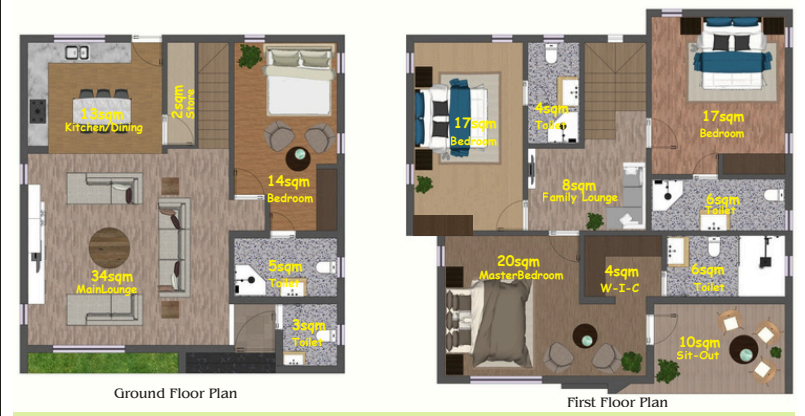
You buy into a brand-new estate long before the first block is laid. The 3D architectural renders look stunning: paved roads with drainage, sleek contemporary facades, and lush landscaping.
Then the peak rainy season hits and within a few hours of heavy downpour, pristine interlocked driveways turn into brown canals. Ground-floor, living rooms drown in runoff, electrical systems trip, and multi-million Naira investments sit underwater.
When frustrated homeowners ask the obvious question-why do new estates flood even when they look so modern? developers are quick to blame “unprecedented climate change.”
In reality, it isn’t an act of nature. It is a predictable failure of basic planning. There is a direct link between shady drainage vetting and the estate flooding crisis.
When developers skip environmental homework to save time or cut costs, buyers pay the price in property damage and lose rental income, and we’ll discuss this in three stages.
1. The “Sponge vs. Concrete” Effect
To understand why new estates flood, you just need a basic mental picture:
Empty Land = A Giant Sponge: Before an estate is built, soil, grass, and trees naturally absorb rainwater deep into the ground.
Built Estates = A Concrete Floor: Once developers lay interlock paving, build roofs, and pour concrete, that natural “sponge” is completely sealed off. Rainwater can no longer soak into the earth.
And because 100% of the rainwater stays on the surface, it must have a clear, engineered way to leave the estate. If the developer didn’t design a proper escape route, the entire estate turns into a catchment basin.
2. The 3 Drainage Traps Rogue Developers Create
When developers rush a project or bypass official approvals from bodies like the Lagos State Ministry of the Environment and Water Resources, they usually fall into one of three major traps:
Trap A: Gutters to Nowhere
The developer builds clean, wide gutters inside the estate walls so everything looks great to prospective buyers. However, those gutters never connect to a major public canal outside. When rain falls, water fills the internal drains, hits the perimeter wall, and backs straight up into compounds.
Trap B: The “Drinking Straw” Mistake
To save money on concrete and excavation, the developer may install shallow, narrow drains where a deep box culvert was required. It’s like trying to drain a full bathtub through a thin drinking straw, resulting in the water overflowing within minutes.
Trap C: Blocking Nature’s Flow
Water naturally flows downhill along natural pathways. When a developer builds directly over an old natural drainage path without re-routing it, the water doesn’t stop, it simply forces its way through living rooms and parking lots.
3. How Floodwater Quietly Destroys Your Capital
Bad drainage isn’t just uncomfortable; it ruins the financial performance of your property in three direct ways:
| Risk Area | What Happens to an Unvetted Estate | What Happens to a Properly Vetted Estate |
| Tenant Retention | High Tenant Churn: Tenants pack out after their first flooded rainy experience, causing long vacancy gaps. | Consistent Cash Flow: Premium tenants renew every year because the property stays dry. |
| Maintenance Costs | Compounding Bills: You pay constantly to repaint damp walls, re-lay sunken paving blocks, and fix electrical faults. | Low Operational Overhead: Routine drain cleaning is all that is required. |
| Resale Value | Market Stigma: Word spreads quickly. Properties in flood-prone estates sell at severe discounts. | Premium Appreciation: Proven “flood-proof” status drives up resale value over time. |
Skipping site engineering is just as dangerous as using low-grade structural materials during construction. Both shortcuts destroy your long-term returns. (We broke down the exact math on structural shortcuts in our guide: 4 Reasons Why Substandard Materials Wipe Out 40% of Your Long-Term Rental Yield).
How To Check Drainage BEFORE Buying
You don’t need specialized equipment to evaluate a site before buying or renting. Follow these simple steps:
1. Trace the Line: Follow gutters to the main canal.
2. Rainy Day Test: Inspect during or after heavy rain.
3. Check Elevation: Is the estate lower than the road?
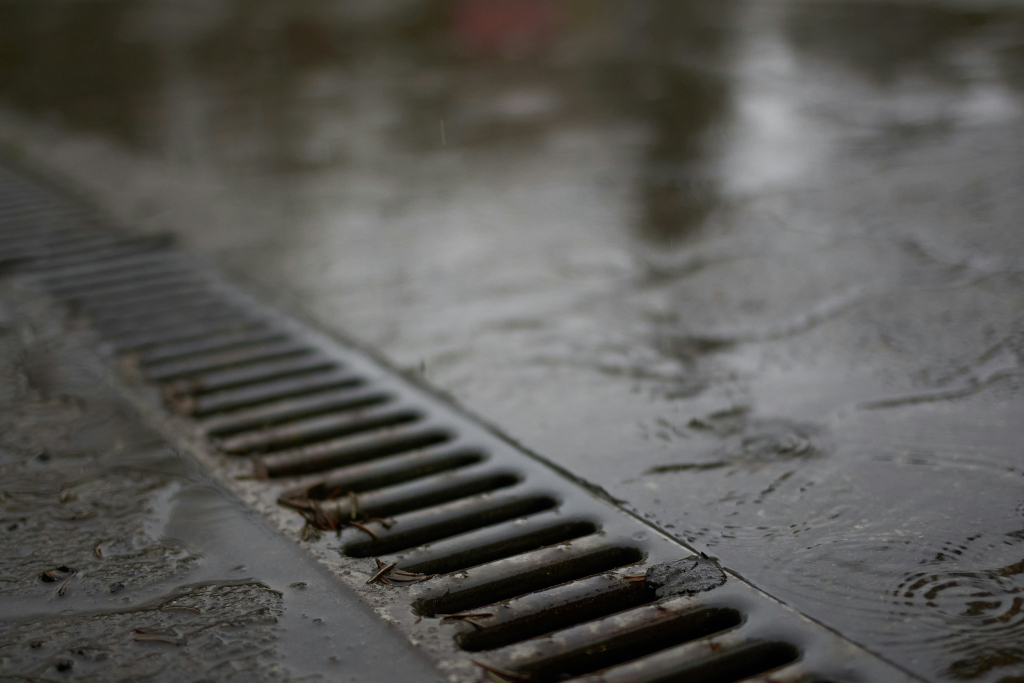
1. Trace the Gutter Line: Walk to the boundary of the estate. Do the gutters connect directly to a large, clear public canal or do they dead-end at a boundary fence?
2. Do the “Rainy Day Test”: Never inspect a property only when the sun is shining. Visit during or immediately after a heavy downpour to see how fast water moves off the site.
3. Check the Height Differential: Is the estate driveway noticeably lower than the main public road outside? If it is, stormwater from the highway will pour straight down into the estate like a sink.
Understanding site geography is vital, especially as major road projects alter regional water flows across Lagos. (Learn how expanding highway corridors impact property zoning in our post: The Right-of-Way Reckoning: How Coastal Road Encroachments Are Obliterating Unvetted Wealth).
At Casafina Development, we treat hydrological testing and site drainage as non-negotiable foundations.
Before breaking ground on any development we complete environmental assessments, soil testing, and elevation mapping. This guarantees that your asset remains completely dry, protecting your rental yield and long-term capital appreciation.
In Conclusion, a beautiful property built on unvetted drainage is not a real estate asset, it is a liquidating liability. Before committing your hard-earned money to any off-plan or completed property, look past the fresh paint and demand to see the site’s environmental approvals.
To see a clear example of how missing drainage networks impact local communities during peak rain, watch this report on Lagos Flooding and Infrastructure Challenges.
Ready to invest in properties built with uncompromising structural and environmental standards?
Contact our team today.